How Seasonal Maintenance Prevents Expensive Home Damage
Every home goes through natural wear and tear, but seasonal changes can accelerate it. Rain, heat, freezing temperatures, pests, wind, humidity, and heavy use all affect different parts of a property throughout the year. A small crack, leak, clog, or mechanical issue may not seem urgent at first, but when ignored, it can turn into a much larger and more expensive repair.
Seasonal maintenance helps homeowners stay ahead of these problems. Instead of waiting for something to break, a smart maintenance plan focuses on prevention. It gives you a chance to inspect your home, catch warning signs early, and schedule repairs before minor issues become emergencies.
The goal is not to make homeownership more complicated. It is to make it more manageable. By breaking maintenance into seasonal tasks, homeowners can protect their property, reduce surprise expenses, and keep their home safer, cleaner, and more comfortable year-round.
Check the Exterior Before the Weather Makes Damage Worse
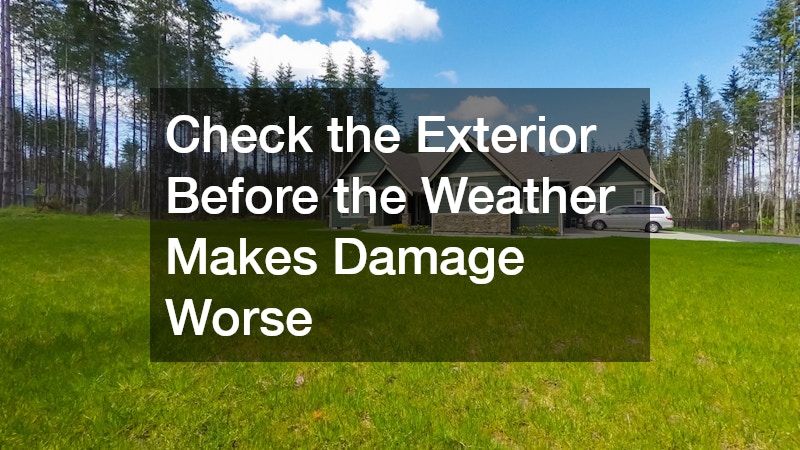
Your home’s exterior is the first line of defense against the elements. Siding, trim, windows, doors, gutters, and roofing materials all work together to keep water, pests, and outside air from getting inside. When one of those components fails, the damage can spread quickly.
At the beginning of each season, walk around your home and look for visible changes. Check for peeling paint, cracked caulk, loose trim, soft wood, gaps around windows, and stains beneath gutters. These are often early signs that moisture is entering areas it should not.
Pay close attention after heavy storms. Wind can loosen siding or trim, while rain can expose drainage problems. If water is pooling near your foundation, overflowing from gutters, or running toward your home rather than away from it, you need to address the issue quickly.
Useful exterior maintenance steps include:
- Cleaning gutters and downspouts
- Replacing missing or damaged caulk
- Inspecting window and door seals
- Looking for soft or rotted wood
- Checking for stains on siding or foundation walls
- Making sure soil slopes away from the house
Small exterior repairs are usually far cheaper than repairing interior water damage, mold, or structural rot.
Keep Outdoor Water Systems Under Control
Outdoor water systems can protect your lawn and landscaping, but they can also cause costly problems when not maintained. A leaking irrigation line, broken sprinkler head, or poorly aimed spray pattern can waste water, damage plants, stain siding, and oversaturate the soil around your foundation.
Homeowners should inspect irrigation systems before the heavy growing season begins. Turn on each zone and watch where the water goes. Look for spray hitting windows, doors, fences, driveways, or the side of the house. Also check for soggy patches in the lawn, dry areas that are not receiving enough water, and sprinkler heads that are clogged, broken, or tilted.
If the system is old or difficult to adjust, sprinkler system companies can help identify underground leaks, pressure issues, and poor coverage patterns. A professional inspection is especially useful when water bills increase unexpectedly, or parts of the yard remain wet long after the system turns off.
Good irrigation maintenance helps protect more than the lawn. It reduces erosion, protects hardscaping, prevents excess moisture near the home, and keeps landscaping healthier through seasonal changes.
Maintain Moving Parts and Entry Points
Garage doors are used constantly, but they are easy to overlook until something goes wrong. Seasonal temperature changes, humidity, and daily movement can wear down springs, cables, rollers, seals, and opener systems. A garage door that does not close properly can create security risks, allow pests inside, and expose the garage to rain, dirt, and drafts.
At least a few times a year, watch and listen as your garage door opens and closes. Grinding, squeaking, shaking, or uneven movement can point to worn parts. Check the bottom seal for cracks or gaps, and ensure the door sits evenly on the ground when closed.
You can safely handle basic visual inspections and weatherstripping replacement, but some garage door components are dangerous to repair without training. Springs and cables are under high tension and can cause serious injury. When those parts show signs of damage, garage door companies should handle the repair.
Preventive garage door maintenance can help prevent sudden failure, protect vehicles and stored belongings, and improve the home’s overall security.
Protect Hard Surfaces From Cracks and Settling
Driveways, patios, walkways, and other hardscape areas take constant abuse from weather, vehicle weight, water runoff, tree roots, and soil movement. Small cracks may seem cosmetic, but they often allow water to enter and expand the damage. Over time, that can lead to uneven slabs, trip hazards, and expensive replacement work.
Inspect paved areas seasonally, especially after winter weather or heavy rain. Look for cracks, sinking areas, crumbling edges, weeds growing through joints, and places where water collects. These problems are often easier to repair when caught early.
For homeowners planning local concrete driveways, proper grading and drainage are just as important as appearance. Concrete installed without proper water management is more likely to crack, settle, or deteriorate early. Thickness, reinforcement, base preparation, and water runoff should all be considered before installation.
To extend the life of concrete and hardscaping:
- Seal cracks early
- Keep water draining away from slabs
- Remove weeds from joints
- Avoid letting heavy debris sit for long periods
- Watch for uneven surfaces that may become safety hazards
Hardscaping maintenance protects curb appeal and helps prevent injuries and larger structural problems.
Prepare Outdoor Recreation Areas Before Heavy Use
Pools and outdoor water features need seasonal attention before they become expensive to repair. When water chemistry, filtration, and equipment are ignored, homeowners may face algae growth, stained surfaces, clogged pumps, damaged filters, or unsafe swimming conditions.
Before peak swimming season, inspect the pool area carefully. Check the pump, heater, skimmer baskets, filters, ladders, lights, covers, and surrounding surfaces. Water should be properly balanced, and debris should be removed before it has time to clog the system.
Scheduling Pool Service before heavy use begins can help catch problems early and prepare the system for the season. This is especially important if the pool has been covered, unused, or exposed to storms.
Pool cleaning companies can also help maintain water quality and identify equipment issues before they escalate into major repairs. Consistent care can reduce the risk of expensive resurfacing, pump replacement, plumbing issues, and unsafe swimming conditions.
Good pool maintenance is not only about appearance. It protects the equipment, preserves the structure, and keeps the water safer for everyone using it.
Watch for Drainage and Underground Warning Signs
Some of the most expensive home repairs start underground. Sewer and drainage problems can remain hidden until they cause backups, odors, soggy yards, or interior water damage. Seasonal rain can make these issues worse by adding pressure to already damaged pipes or drainage systems.
Homeowners should pay attention to repeated plumbing problems. A single slow drain may not mean much, but recurring clogs, gurgling toilets, sewer smells, and wet areas in the yard are warning signs. Tree roots, cracked pipes, collapsed lines, and blockages can all cause serious damage if left unchecked.
When pipe damage is confirmed, a trenchless sewer repair service may be an option that avoids major excavation. This can be especially helpful when the damaged line runs beneath landscaping, driveways, patios, or other finished areas.
To reduce the risk of sewer problems:
- Avoid flushing wipes, grease, and non-biodegradable items
- Watch for recurring drain issues
- Keep trees with aggressive roots away from sewer lines
- Schedule inspections when warning signs continue
- Act quickly if sewage odors or backups appear
Early diagnosis can prevent yard destruction, water damage, and emergency plumbing expenses.
Keep Wastewater Systems on Schedule
Homes with septic systems need consistent maintenance to avoid serious and unpleasant problems. A neglected septic system can lead to backups, foul odors, slow drains, soggy lawns, and even drain field failure. Repairs can be costly, especially if the entire system or drain field needs replacement.
Septic maintenance depends on the tank size, household water use, and the number of people living in the home. Seasonal changes can increase stress on the system. Heavy spring rain, summer guests, holiday gatherings, and extra laundry can all increase wastewater volume.
Scheduling septic pumping services before the tank becomes overloaded is one of the simplest ways to prevent major damage. Pumping removes built-up solids before they flow into the drain field and cause clogs.
Homeowners can also protect the system by:
- Spacing out laundry loads
- Fixing leaking toilets and faucets
- Avoiding harsh chemical drain cleaners
- Keeping vehicles off the drain field
- Flushing only septic-safe materials
- Reducing unnecessary water use during wet seasons
A well-maintained septic system protects sanitation, landscaping, groundwater, and the health of everyone in the home.
Prevent Animals From Damaging the Structure
Seasonal changes often push animals toward warm, sheltered spaces. Attics, crawl spaces, chimneys, sheds, rooflines, and wall cavities can become attractive nesting spots. Once wildlife gets inside, the damage can add up quickly.
Squirrels, raccoons, birds, bats, rodents, and other animals can chew wiring, tear insulation, damage vents, contaminate surfaces, and create strong odors. Some can also create health risks through droppings, parasites, or blocked ventilation.
Inspect vulnerable areas at least once a year. Look for gaps near soffits, loose vent covers, damaged screens, holes near the foundation, droppings, nesting materials, or scratching sounds in walls and ceilings. Trim branches away from the roof and secure outdoor trash to make the property less inviting.
If animals are already inside, contact a wildlife removal company rather than trying to handle the issue alone. Proper removal should include exclusion repairs so the same animals, or new ones, cannot return through the same openings.
Preventing wildlife entry protects insulation, electrical systems, air quality, and the overall structure of the home.
Update High-Use Interior Areas Before Damage Spreads
Seasonal maintenance should not stop at the exterior. Kitchens, bathrooms, laundry rooms, basements, and utility areas are subject to moisture, heat, plumbing, and daily use. Small problems in these spaces can quickly spread into flooring, cabinets, walls, and structural framing.
Look under sinks for slow leaks, staining, swollen cabinet bases, or soft flooring. Check caulk around counters, tubs, backsplashes, and fixtures. Make sure exhaust fans are working properly and that moisture is not collecting on walls or ceilings.
When kitchen problems involve layout, cabinetry, plumbing, or ventilation, local kitchen contractors can help identify practical improvements that prevent recurring damage. A kitchen update may seem cosmetic, but it can also solve storage issues, water problems, outdated materials, and poor workflow.
Larger home remodeling services can also help address aging systems, unsafe layouts, moisture-prone materials, and inefficient use of space. The key is to treat remodeling as a chance to improve function, not just appearance.
Create a Simple Seasonal Checklist

A maintenance plan works best when it is simple enough to follow. Homeowners do not need a complicated system. A seasonal checklist, a receipts folder, and a few photos of recurring issues can make a major difference.
In spring, focus on drainage, irrigation, exterior damage, pests, and landscaping. This is the time to check for winter-weather damage and prepare outdoor systems for heavier use.
In summer, monitor pools, cooling-related moisture issues, outdoor surfaces, and heavy-use spaces. Watch for signs of heat damage, water waste, and increased wear.
In fall, clean gutters, seal gaps, check doors, inspect plumbing, and prepare outdoor systems for colder or wetter weather. Fall is also a smart time to address pest entry points before animals seek shelter.
In winter, watch for leaks, drafts, garage door issues, interior moisture, and plumbing concerns. Cold weather can reveal weak points that were not obvious earlier in the year.
Know When to Handle It Yourself
Many seasonal maintenance tasks are safe and manageable for homeowners. Visual inspections, light cleaning, basic caulking, replacing simple weatherstripping, clearing debris, and monitoring for leaks are all reasonable DIY tasks.
However, some jobs should be left to trained professionals. Anything involving electrical systems, structural repairs, underground lines, garage door springs, septic systems, wildlife inside the home, or major plumbing problems carries more risk.
Seasonal maintenance is one of the most effective ways to prevent expensive home damage. A home is made up of connected systems, and when one area is neglected, the problem often spreads. Water damage can affect foundations and interiors. Pest issues can damage insulation and wiring. Poor drainage can ruin landscaping and hardscaping. Small mechanical issues can turn into emergency repairs.
The most important step is consistency. Walk the property. Look for changes. Keep notes. Schedule service before problems become emergencies. A well-maintained home is not just cleaner and more attractive. It is stronger, safer, and better prepared for whatever the next season brings.