8 Factors to Consider When Upgrading Your Roof

Your roof plays a major role in protecting your home from weather, moisture, and everyday exposure. When you begin considering an upgrade, there is more to evaluate than the appearance of new shingles or the age of the existing roof. Material selection, drainage, the condition of surrounding structures, project timing, and the experience of the people performing the work can all influence the finished result. Even something that initially appears minor, such as a small leak, may provide useful information about the condition of the roofing system as a whole.
An upgrade can also be an opportunity to address concerns that have developed over time. A roofing assessment may reveal worn materials, drainage problems, deteriorated areas around a chimney, or other conditions that deserve attention before they become more disruptive. Working with a residential roofing company can help you evaluate these considerations in the context of your particular property.
1. Choosing The Right Roofing Material

Types Of Roofing Materials
Roofing materials differ in appearance, construction, maintenance considerations, and how they interact with the rest of the roofing system. Common options include asphalt shingles, metal roofing, tile, and other materials selected according to the structure and the homeowner’s priorities. The right choice depends on factors such as the existing roof design, the property’s exposure to weather, the desired appearance, and the expected service requirements.
When evaluating materials, it is useful to consider more than the initial installation cost. A material that suits the home’s design and the surrounding environment can contribute to a cohesive finished appearance, while an inappropriate choice may create complications with the existing structure. You should also consider how the material will work with flashing, drainage components, roof penetrations, and other areas where different parts of the system meet.
Benefits Of Waterproof Materials
Water resistance is an important consideration when selecting roofing materials because the roof must continually manage exposure to rain and moisture. A waterproof material can help limit water penetration when properly selected and installed as part of a complete roofing assembly. However, the material itself is only one component of how a roof handles moisture.
Flashing, seams, underlayment, drainage paths, penetrations, and installation details can all influence how water moves across and away from the roof. Even a high-quality waterproof material cannot compensate for every problem elsewhere in the system. For that reason, material selection should happen alongside consideration of the roof’s overall construction and drainage.
2. Working With Local Roofing Contractors
Finding Trustworthy Local Roofers
Selecting the people who will perform the work is just as important as selecting the roofing materials. When comparing local roofing contractors, look at their experience with the type of project you are considering, the services they provide, and how clearly they explain the proposed scope of work. A professional should be able to discuss the condition of the existing roof and explain why particular repairs or upgrades may be recommended.
It is also useful to review the company’s communication practices before work begins. Clear information about materials, project expectations, scheduling, and potential conditions can make the process easier to understand. Rather than selecting a contractor based only on a single estimate, consider whether the proposal addresses the areas of the roof that actually require attention.
A small leak may seem simple enough to repair, but its source is not always directly above the area where water becomes visible. This is one reason an evaluation of the surrounding roofing system can be helpful. A local roofer who examines the condition of relevant components can determine whether the concern appears isolated or connected to broader deterioration.
Importance Of Local Knowledge
Local experience can be useful because roofing systems are exposed to the conditions of their surrounding environment. Weather patterns, seasonal precipitation, temperature changes, and local construction practices can all affect how a roof performs over time. A contractor familiar with the area may also have experience working with the types of homes and roofing systems commonly found there.
Local knowledge can be especially relevant when an existing roof has developed recurring moisture concerns. If a small leak appears after particular weather conditions, information about when and where the issue occurs can help provide context during an inspection. A contractor who understands the area’s typical conditions can factor those circumstances into the broader evaluation rather than looking at the roof in isolation.
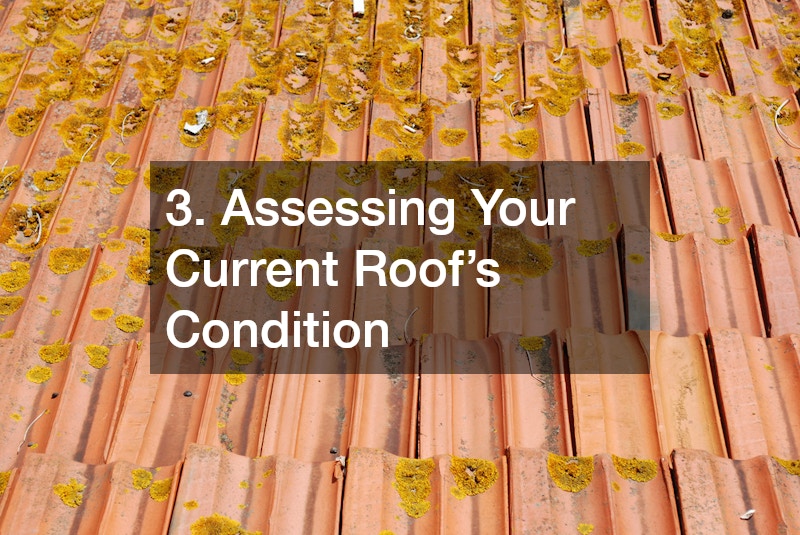
3. Assessing Your Current Roof’s Condition
Signs You Need A Roof Replacement
Determining whether a roof needs replacement requires looking at its overall condition rather than relying on one isolated symptom. Age, widespread deterioration, damaged or missing materials, recurring moisture problems, and other visible concerns can all contribute to the decision. A small leak does not automatically mean that an entire roof needs to be replaced, but repeated leaks or deterioration in multiple areas may indicate that a larger evaluation is appropriate.
The extent and location of damage matter as well. A roof may have one clearly defined area that can be repaired, while another roof may show wear across a much larger portion of its surface. Previous repairs can also provide useful context because recurring problems in the same general area may warrant closer examination.
Importance Of Regular Inspections
Regular inspections provide an opportunity to evaluate the condition of a roof before a developing concern becomes more extensive. An inspection can focus on visible roofing materials as well as areas where moisture intrusion, deterioration, or drainage problems may occur. The frequency of inspections depends on factors such as the roof’s age, condition, materials, and exposure to weather.
An inspection can be particularly useful after a small leak has been noticed. Even if the leak appears to have stopped, identifying where water entered can help determine whether the roof has sustained damage or whether a vulnerable component needs attention. A temporary absence of visible moisture does not necessarily establish that the underlying roofing condition has been resolved.
4. Planning For A Roof Replacement
Timeline And Budget Considerations
Planning a roof replacement involves more than choosing a material and selecting a start date. The project’s scope, existing roof condition, material availability, weather, labor requirements, and other circumstances can affect scheduling. Homeowners should discuss the anticipated process with their contractor so they understand what may need to happen before, during, and after the work.
Budget planning should likewise account for the condition of the existing roofing system. A small leak discovered during an initial evaluation may point to a localized issue, but additional deterioration may become apparent once more of the roof is examined. Establishing a clear scope and discussing potential conditions in advance can make it easier to understand where project costs may come from.
Eco-Friendly Roofing Options
Sustainability can be part of the material-selection process when upgrading a roof. Homeowners may consider the expected service life of materials, the resources involved in manufacturing and installation, and whether certain products can be reused or recycled at the end of their service period. These considerations can vary substantially between roofing materials and should be evaluated alongside the property’s structural requirements.
A small leak can also be relevant when discussing sustainability because continued moisture intrusion may contribute to deterioration of roofing materials and other parts of the home. Addressing water-management concerns as part of a larger upgrade can help ensure that the new roofing system is considered as a complete assembly rather than simply a new exterior surface.
5. Installing A Deck Drain System

What Is A Deck Drain System?
A deck drain system is designed to manage water that reaches a deck or similar elevated outdoor surface. Instead of allowing water to collect beneath the deck or move unpredictably toward the structure, the system provides a defined path for directing runoff away from areas where it could contribute to moisture-related concerns. The specific configuration depends on the deck, roof, drainage layout, and surrounding construction.
A small leak near a deck should not automatically be attributed to the deck drain system. Water can travel along surfaces and through concealed spaces before becoming visible inside the home. Examining the relationship between the deck, roof, flashing, and drainage components can help narrow down where moisture may be entering.
Benefits Of Installing A Drainage System
Effective drainage helps move water away from areas where prolonged exposure could contribute to deterioration. For an elevated deck, this can be particularly important because water may otherwise collect beneath the surface or reach structural areas that are difficult to inspect. A drainage system provides a more controlled route for runoff and can complement the property’s existing roofing and drainage components.
A small leak that appears below a deck can make it tempting to focus only on the visible moisture. However, the source may involve several connected components, including flashing, roofing materials, joints, or drainage paths. Evaluating the surrounding area can help determine whether the drainage configuration is contributing to the condition or whether another roofing component requires attention.
6. Considering The Role Of Chimney Repairs
Identifying Chimney Issues
Chimneys create points where the roof intersects with another structure, making the surrounding area important when evaluating the condition of the roofing system. Flashing and other transition points around a chimney can be exposed to weather and moisture. Deterioration in these areas can contribute to water entering the building, particularly when the condition has developed gradually.
A small leak near a chimney may appear on a ceiling or wall some distance from the actual entry point. Water can move through building materials before becoming visible, which means the location of an interior stain does not necessarily identify the source. Looking at the chimney, surrounding roof materials, flashing, and nearby transitions can provide additional context.
Integrating Chimney Repairs With Roof Work
When chimney-related concerns are identified during roof planning, coordinating chimney repairs with the roofing project may help address connected areas at the same time. The exact sequence depends on the condition of the chimney and roof, as well as the nature of the required work. Discussing both components during the planning stage allows the scope to account for their relationship.
If a small leak has developed around a chimney, the source should be evaluated before deciding which work is necessary. Repairing only the most visible portion may not resolve the issue if water is entering through an adjacent transition or another deteriorated component. A broader assessment can help establish whether chimney work, roofing work, or both are appropriate.
7. Understanding The Importance Of Hiring A Roofing Company

Benefits Of Professional Roofers
Roofing work involves multiple components that need to function together, including surface materials, underlayment, flashing, drainage, and transitions around penetrations. Professional roofers have experience evaluating these components and carrying out the work required for the particular project. Their involvement can be especially useful when the condition of the existing roof is not immediately apparent.
A small leak can involve more than the damaged area that is visible from inside the home. Professional evaluation can help identify conditions around the suspected entry point and determine whether additional portions of the roofing system should be examined. This can provide more information before deciding whether a localized repair or broader upgrade is appropriate.
What To Look For In A Roofing Company
When choosing a roofing company, homeowners should review the contractor’s experience, services, communication, and documentation. It can be helpful to ask what types of roofing systems the company works with and whether its services correspond to the project being considered. A clear explanation of the proposed work can also help homeowners understand what they are paying for.
Insurance is another important consideration and should be verified before work begins. Homeowners can ask for documentation and confirm that the coverage is appropriate for the contractor’s work. Licensing requirements may also vary depending on the location and scope of the project, so homeowners should understand which requirements apply to their situation.
The company’s approach to evaluating problems is worth considering as well. If you have noticed a small leak, for example, you may want to know whether the contractor will examine the surrounding area rather than simply addressing the visible symptom. A thoughtful assessment can help establish whether the concern is isolated or connected to a larger roofing condition.
Local roofers may also offer familiarity with the area’s homes, roofing materials, and common project considerations. When comparing contractors, look for clear communication and a scope of work that corresponds to the actual condition of your roof.
8. Understanding Warranties And Insurance
Types Of Warranties Offered By Roofers
Warranties can differ depending on the roofing materials, manufacturer, contractor, and type of work performed. Homeowners should read the applicable warranty information rather than assuming that every roofing product or installation carries the same coverage. Some warranties may relate to the materials themselves, while others may address aspects of installation.
The terms and limitations matter. Homeowners should understand what is covered, how long coverage lasts, and whether particular maintenance requirements or conditions affect the warranty. Keeping documentation from the project can also be useful if questions arise later about the materials or installation.
A small leak does not automatically indicate that a warranty issue exists. The cause of the moisture, the materials involved, the age of the roof, and the specific warranty terms all matter. If a concern develops after roofing work, reviewing the documentation and contacting the appropriate party can help determine what steps are available.
Homeowners should also ask roofers to explain warranty information in straightforward terms before signing a contract. Understanding the distinction between material coverage and workmanship-related provisions can make the project documentation easier to interpret. The goal is to know what protections are actually provided rather than relying on assumptions about warranty coverage.
Importance Of Insurance Coverage
Insurance coverage is an important consideration when selecting a contractor because roofing work involves people, equipment, materials, and an active worksite. Homeowners can ask prospective contractors for current proof of insurance and verify the information before the project begins. This provides an opportunity to understand what coverage is in place and whether it applies to the work being performed.
The type and extent of coverage can vary between contractors, so homeowners should not assume that every roofing company carries identical policies. Asking questions before work starts can clarify expectations and provide documentation for the project records.
Upgrading a roof requires looking beyond the visible surface and considering how the entire roofing system functions. Material selection, contractor experience, the existing roof’s condition, project timing, drainage, chimney conditions, professional installation, warranties, and insurance can all influence the planning process. Each factor deserves attention because roofing components often interact with one another rather than functioning independently.
A small leak can be an early indication that some part of the system needs evaluation, although it does not automatically mean that a complete replacement is necessary. Similarly, drainage concerns or chimney deterioration may require targeted attention rather than a broad roofing project. Understanding the condition of the property can help homeowners distinguish between isolated repairs and more extensive work.